
The Ultimate Guide on How to Clean Speaker Fabric
Introduction
Maintaining your speaker fabric is essential for both the sound quality and the aesthetic value of your audio equipment. Dust and dirt accumulate over time, potentially impacting the performance and visual appeal. This guide offers expert techniques to help you clean your speaker fabric effectively, focusing on different fabric types, preparation steps, and specific cleaning methods.
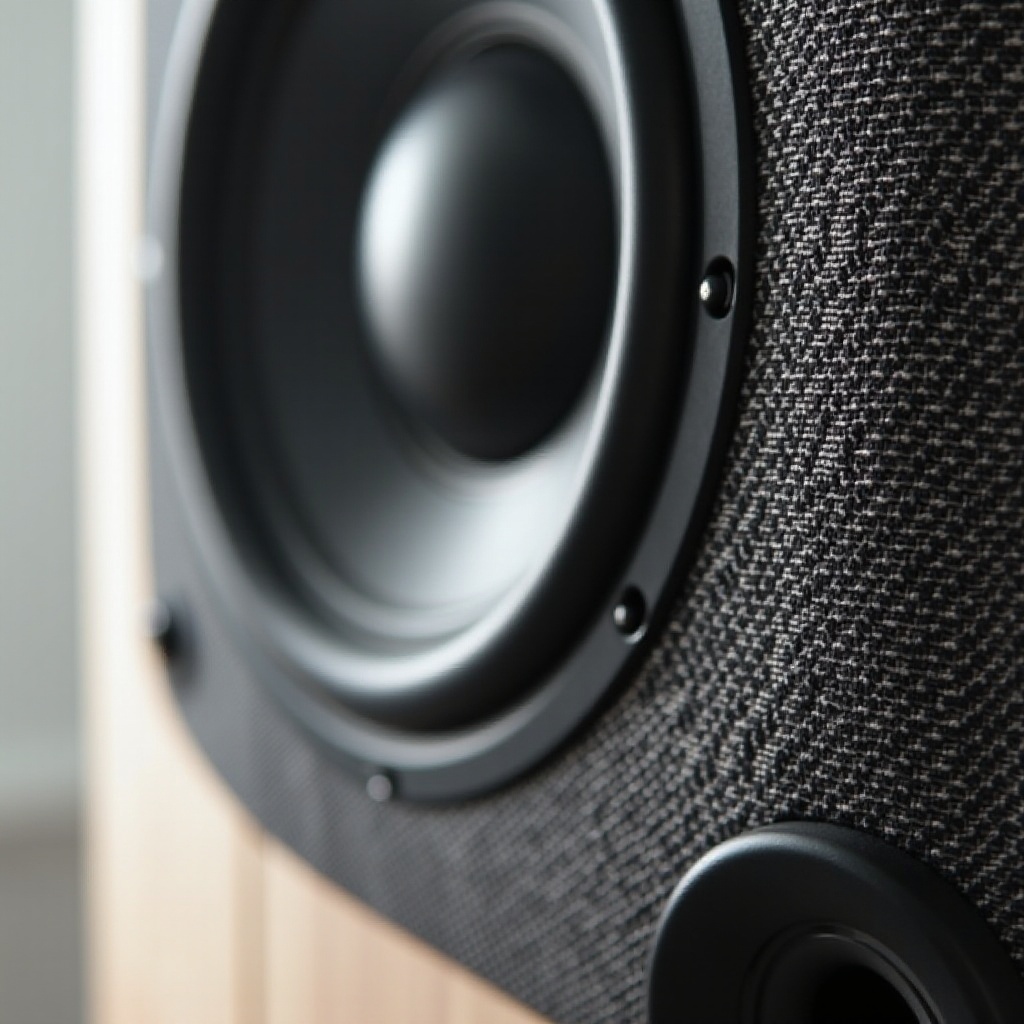
Understanding Speaker Fabric Material
Different speaker models utilize various fabric types, each demanding a unique approach to cleaning. Understanding what your speaker fabric requires is crucial for successful maintenance without causing damage.
-
Types of Speaker Fabric: Speakers commonly use polyester, cotton blends, and nylon, while high-end speakers may feature unique materials tailored for specific acoustical properties.
-
Characteristics and Sensitivities: Polyester is durable and stain-resistant, cotton blends may require gentler handling, and nylon often repels water naturally. Knowing these details helps in choosing the right cleaning approach.
Recognizing these fabric types ensures that you’re prepared with the right tools and methods, laying the foundation for effective cleaning.
Preparations Before Cleaning
Proper preparation is key to achieving the best results without risking damage to your speakers. This involves gathering materials and setting up your workspace for safe and efficient cleaning.
-
Gathering Necessary Tools: Assemble soft brushes, microfiber cloths, gentle detergent, a vacuum cleaner with a brush attachment, and lukewarm water. Avoid abrasive materials which could damage delicate fabrics.
-
Safety Precautions and Setup: Ensure the speakers are turned off and unplugged to avoid electrical hazards. Place them on a stable surface to minimize the risk of falling during cleaning.
With these preparations in place, you’re ready to apply the most suitable cleaning techniques for your speaker fabric.
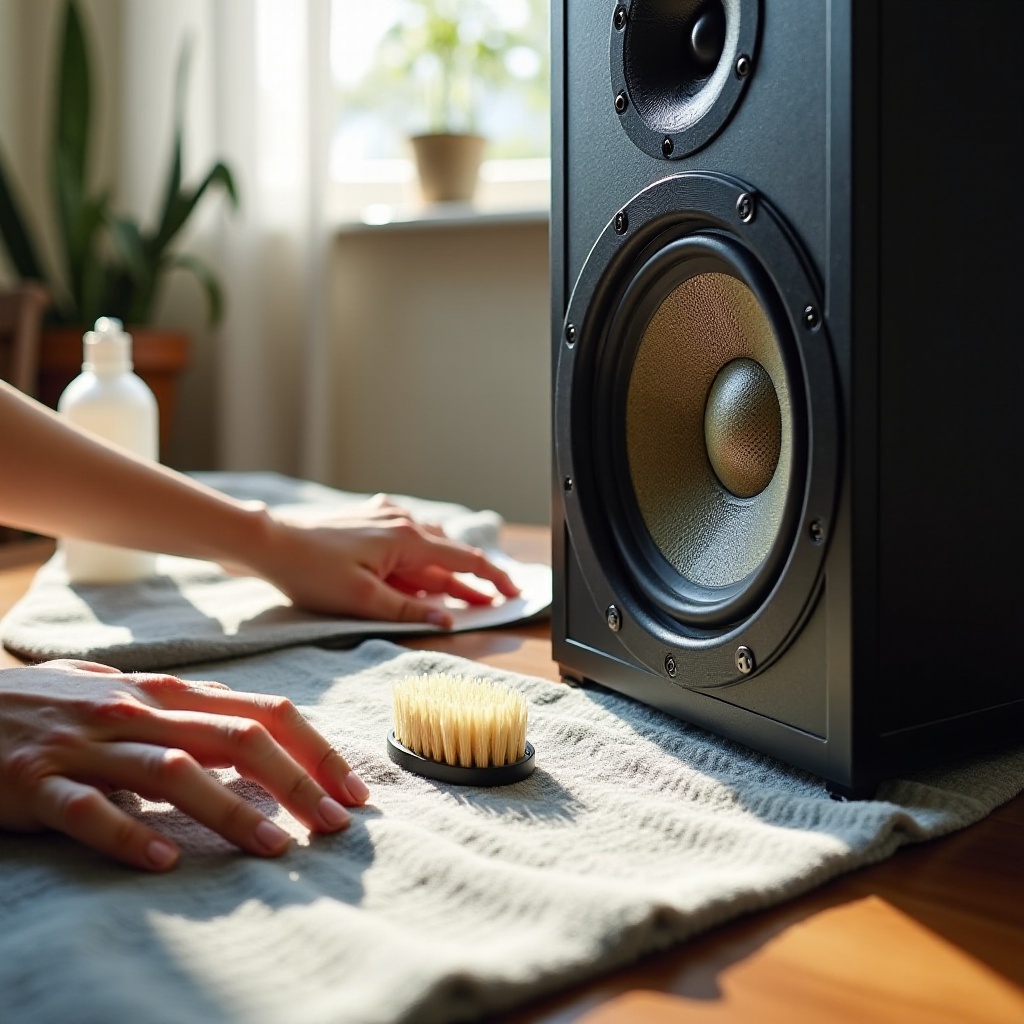
Effective Cleaning Techniques
Once prepared, it’s time to employ specific methods that clean the speaker fabric thoroughly while preserving its condition.
- Dry Cleaning Methods:
- Dust Removal: Use a vacuum with a brush attachment to gently clear away loose dust and dirt.
-
Spot Cleaning: For light stains, use a soft brush to delicately lift surface debris without resorting to liquids.
-
Wet Cleaning Practices:
- Fabric-Safe Detergents: Mix a little bit of mild detergent with lukewarm water. Moisten a microfiber cloth with the solution and wring out the excess.
-
Application: Dab gently onto stains, working from the outside in. Avoid soaking the fabric.
-
Specialized Tips for Tough Stains:
- Vinegar Solution: Mix equal parts white vinegar and water. Gently blot onto difficult stains, then pat dry with a clean cloth.
- Test on Hidden Areas: Always try solutions on an inconspicuous area first to ensure they don’t damage the fabric.
After successful cleaning, it’s crucial to dry and maintain the fabric properly to preserve your work’s longevity.
Post-Cleaning Care and Maintenance
Proper aftercare ensures that the cleaning process yields long-lasting results, keeping your speakers looking and sounding their best.
-
Effective Drying Techniques: Allow the speakers to air dry in a well-ventilated area, away from harsh sunlight or heat, which can cause fabric distortion.
-
Maintenance Schedule: Create a regular maintenance routine involving dusting and spot cleaning. A bi-weekly light cleaning combined with thorough quarterly cleanings is ideal.
By adhering to these care practices, your speaker fabric will maintain its quality, avoiding premature wear and tear.
Common Mistakes to Avoid
Common errors during cleaning can lead to more harm than good. Knowing what to avoid is as important as knowing what to do.
-
Avoiding Over-Wetting: Excessive moisture can damage the speaker’s internal components if it seeps through the fabric.
-
Steering Clear of Harsh Chemicals: Strong chemicals can discolor or degrade the fabric. Stick to mild, fabric-safe cleaners.
-
Understanding Fabric Sensitivity: Ensure cleaning methods are appropriate for the specific type of fabric to prevent unnecessary damage.
With the cleaning and maintenance process successfully completed, you are now equipped to handle your speaker fabric with care and confidence.
Conclusion
Proper cleaning and maintenance of speaker fabric not only enhance the speaker’s aesthetic appeal but also improve its performance. Equipped with the right techniques, tools, and knowledge, you can ensure your speakers remain in excellent condition for years to come. Keep this guide as a handy reference for ongoing speaker fabric care, ensuring that you enjoy both superior sound quality and pristine looks.
Frequently Asked Questions
Can I use household cleaners on speaker fabric?
It’s best to avoid generic household cleaners that may contain harsh chemicals. Use fabric-safe cleaning solutions or a mild detergent with water.
How often should I clean my speaker fabric?
Conduct regular light cleaning every two weeks and a thorough cleaning every few months to maintain optimal condition.
What should I do if my speaker fabric gets damaged during cleaning?
If damage occurs, consult the speaker manufacturer or a professional to assess repair options and prevent further harm.